The Ultimate Guide to Quality Standards in Structural Steel Fabricating
Professional Steel Structure Solutions with Global Service

Welcome to our blog. We are a professional manufacturer specializing in structural steel fabrication, providing reliable solutions for industrial buildings, commercial projects, and modular construction worldwide.
👉 Follow us on Facebook for the latest updates and project insights.
👉 Contact us for fast quotations and customized structural steel solutions.
Stay tuned to our blog for more industry insights and engineering expertise.
Key Takeaways
- Understanding structural steel fabricating and its critical role
- Comprehensive overview of steel grades, materials, and testing
- Detailed fabrication processes, welding standards, and surface treatment methods
- Comparison of fabrication techniques: shop vs. on-site
- Quality standards, certifications, and compliance for global projects
- Real-world case studies, innovations, and best practices
- Maintenance strategies and lifecycle management
- Advanced topics: BIM integration, robotic fabrication, and eco-friendly steel processing
- FAQ addressing common buyer and engineering questions
Introduction
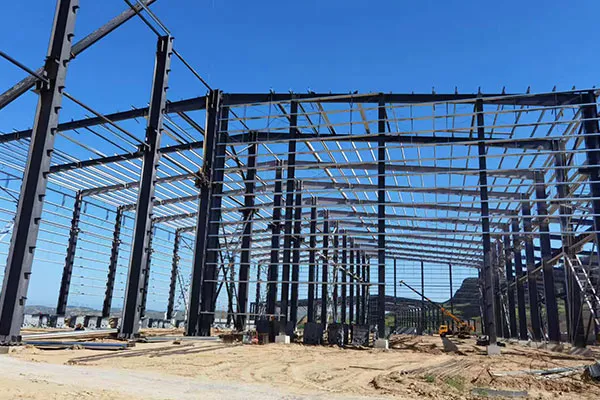
In modern construction, structural steel fabricating is not merely a process—it’s a strategic component that determines the longevity, safety, and cost-effectiveness of buildings and infrastructure. According to a 2023 McKinsey Engineering Insights report, up to 18% of construction delays in large-scale projects are linked to fabrication errors or material non-compliance, emphasizing the value of standardized processes and high-quality materials.
High-quality steel fabrication directly influences:
- Structural Integrity: Ensures the building can withstand loads and environmental stress
- Cost Efficiency: Reduces rework, repairs, and material wastage
- Regulatory Compliance: Meets global standards for safety and environmental protection
A well-executed fabricating process minimizes risk and maximizes return on investment, particularly for industrial, commercial, and infrastructure projects.
Understanding Structural Steel Fabricating
What Is Structural Steel Fabricating?
Structural steel fabricating involves cutting, forming, welding, and assembling steel components into beams, columns, trusses, and frameworks used in construction. Unlike simple metalworking, fabrication adheres to strict engineering standards and quality controls to ensure load-bearing capacity and durability.
Why Quality Standards Matter
- Consistency Across Projects: Standardized processes guarantee uniform quality across multiple fabrication batches.
- Safety and Reliability: Reduces the risk of structural failure in high-rise buildings, bridges, and industrial facilities.
- Compliance: Helps companies meet ISO, ASTM, EN, and AWS standards globally.
Material Selection in Structural Steel Fabricating
Selecting the right steel material is foundational for quality. Factors include strength, ductility, corrosion resistance, and environmental suitability.
Common Steel Grades
| Steel Grade | Yield Strength (MPa) | Typical Applications | Key Feature |
|---|---|---|---|
| ASTM A36 | 250 | General buildings | Easy to fabricate and weld |
| ASTM A992 | 345 | Commercial steel structures | Optimized for high seismic performance |
| ASTM A572 | 345–450 | Bridges, heavy infrastructure | High-strength low-alloy, long lifespan |
| EN S355 | 355 | European projects | High toughness and ductility |
| JIS G3101 SS400 | 245 | Asian construction projects | Common structural steel, cost-effective |
Material Testing Methods
- Tensile Tests: Determine maximum load before failure
- Impact and Hardness Tests: Ensure resistance to fatigue and wear
- Chemical Composition Analysis: Confirms alloy ratios and trace elements
- Non-Destructive Testing (NDT): Includes ultrasonic, radiographic, and magnetic particle testing to detect defects
Fabrication Processes: From Raw Steel to Structural Components
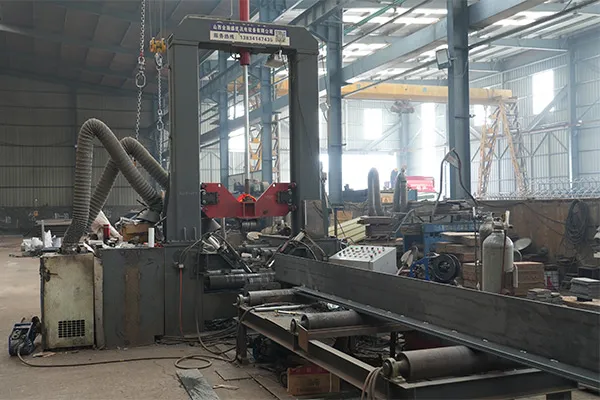
Cutting and Shaping Techniques
- Laser Cutting: Extremely precise, reduces thermal distortion
- Plasma Cutting: Effective for thick plates
- Water-Jet Cutting: Cold cutting method, suitable for sensitive alloys
- Press Braking: For bending and forming steel into desired angles
Welding Standards and Joint Integrity
- Compliance with AWS D1.1 ensures that welded joints meet structural requirements
- Welders undergo certification testing to guarantee high-quality execution
- Inspection methods: visual, ultrasonic, radiographic, and dye penetrant tests
Surface Treatment and Corrosion Protection
- Hot-Dip Galvanizing: Reduces rust in outdoor environments
- Powder Coating / Painting: Enhances durability and aesthetics
- Epoxy Coating: Ideal for marine or highly corrosive environments
Quality Standards and Certifications in Steel Fabricating
Adherence to recognized standards ensures reliability, especially in global projects.
ISO, ASTM, EN, and BS Standards
- ISO 9001: Quality management systems in steel fabrication
- ASTM A36 / A992 / A572: Material specifications for structural applications
- EN 1090: Execution of steel structures for European compliance
- BS 5950: British standard for steel design and fabrication
Welding and Joint Standards
- AWS D1.1: Defines weld requirements, testing, and inspection frequency
- NDT methods prevent cracks, porosity, and incomplete penetration
Industry-Specific Standards
- Bridge Construction: ASTM A709, European Eurocode 3
- High-Rise Buildings: Seismic-resistant welding and steel reinforcement standards
Comparing Fabrication Methods
| Fabrication Method | Advantages | Limitations | Typical Use |
|---|---|---|---|
| Shop Fabrication | Controlled environment, precise tolerances, easier inspection | Transportation costs for large components | Skyscrapers, commercial buildings, bridges |
| On-Site Fabrication | Avoids transport limitations, flexible adjustments | Environmental conditions can affect quality | Industrial plants, modular or large-scale assemblies |
Choosing the Right Method
The choice depends on project scale, accessibility, budget, and timeline. Modern projects often use hybrid approaches—prefabricated shop components combined with on-site assembly.
Advanced Innovations in Structural Steel Fabricating
Robotics and Automation
- CNC cutting, robotic welding, and automated assembly improve accuracy and reduce human error
- Real-time monitoring of welding temperature, speed, and alignment ensures compliance
BIM (Building Information Modeling) and Digital Twins
- Simulate steel structure assembly before fabrication
- Detect clashes or design conflicts early, saving time and reducing rework
- Enables predictive maintenance scheduling
Sustainable Fabrication Practices
- Use of recycled steel reduces environmental impact
- Energy-efficient processes for cutting, welding, and coating
- Compliance with LEED and other green building standards
Real-World Case Studies
High-Rise Construction in Singapore (2022)
- Steel Grade: ASTM A992
- Fabrication: Shop-fabricated beams with robotic welding
- Outcome: Reduced assembly time by 25%, improved structural alignment accuracy
Bridge Project in California, USA (2023)
- Steel Grade: ASTM A572 Grade 50
- Fabrication: Pre-fabricated girders with AWS-compliant weld inspections
- Outcome: Extended lifespan to 75+ years, minimized maintenance cost
Industrial Facility, Germany (2023)
- Steel Grade: EN S355
- Fabrication: CNC cutting, robotic welding, epoxy coating
- Outcome: Achieved high precision and compliance with European structural safety codes
Maintenance and Lifecycle Considerations
Even high-quality fabricated steel requires regular monitoring.
Routine Inspection
- Visual checks, NDT for welds, and corrosion evaluation
- Recommended every 6–12 months depending on environmental conditions
Repairs and Reinforcements
- Minor cracks addressed immediately using certified welding techniques
- Reinforce high-stress areas to extend service life
Lifecycle Cost Analysis
Investing in high-quality steel and certified fabrication can reduce lifecycle costs by up to 30%, avoiding frequent repairs and downtime.
Purchasing and Vendor Considerations

When sourcing fabricated steel:
- Check certifications (ISO, AWS, ASTM)
- Review previous project portfolios
- Compare shop vs. on-site fabrication capabilities
- Evaluate delivery, handling, and logistics for large components
References and Authoritative Sources
- American Institute of Steel Construction (AISC), Steel Construction Manual, 16th Edition, 2022
- ASTM International, ASTM A36, A992, A572 Standards, 2023
- ISO 9001:2015, Quality Management Systems for Steel Fabrication
- EN 1090-2, Execution of Steel Structures, European Committee for Standardization
- AWS D1.1, Structural Welding Code – Steel, American Welding Society, 2022
- McKinsey Engineering Insights, Global Construction Delays Report, 2023
FAQ
What certifications should a steel fabricator hold?
ISO 9001, AWS D1.1 for welding, and compliance with ASTM or EN standards.
How do I select the right steel grade?
Consider load requirements, environmental exposure, and structural specifications. Engineers provide guidance for complex structures.
Is shop fabrication always better than on-site fabrication?
Shop fabrication offers precision; on-site fabrication provides flexibility. Hybrid approaches are often optimal.
How often should fabricated structures be inspected?
Visual inspection and NDT every 6–12 months, especially in high-stress environments.
Can lower-cost fabrication meet safety standards?
Yes, if standards are strictly followed, but long-term durability may be lower.
Continue reading
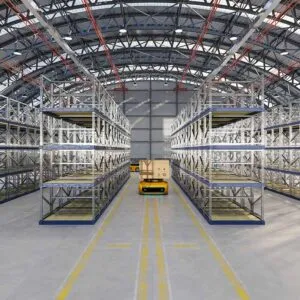
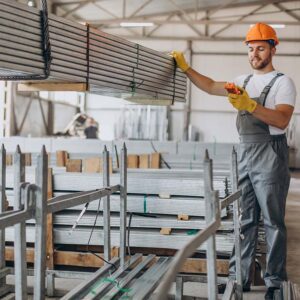
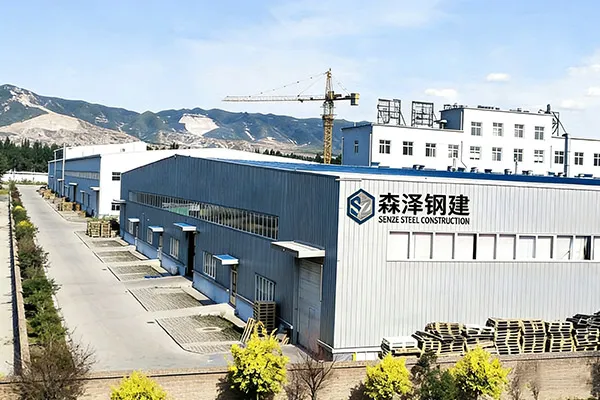
Shanxi Senze Steel Structure Technology Co., Ltd. specializes in integrated steel structure solutions, from design and manufacturing to construction. With advanced technology and strict quality control, we deliver reliable industrial and commercial steel structure projects, earning trust as a leading engineering partner.