The Steel Structure Costs: A Complete Guide for Buyers and Project Owners
Professional Steel Structure Solutions with Global Service
Welcome to our blog. We are a professional manufacturer specializing in structural steel fabrication, providing reliable solutions for industrial buildings, commercial projects, and modular construction worldwide.
👉 Follow us on Facebook for the latest updates and project insights.
👉 Contact us for fast quotations and customized structural steel solutions.
Stay tuned to our blog for more industry insights and engineering expertise.
- What drives the steel structure cost in real projects
- Key components that influence pricing from materials to labor
- Global standards and benchmarks that affect pricing
- Real-world cost data, case studies, and industry insights
- Cost comparison with concrete and other systems
- Hidden costs many buyers overlook
- Practical strategies to reduce costs without compromising quality
- Answers to real buyer questions based on Google search behavior
Introduction
In today’s global construction market, cost control is no longer just about saving money—it’s about gaining a competitive advantage. Whether you are building a warehouse, factory, commercial complex, or modular facility, understanding the steel structure cost can directly impact your project’s success, timeline, and return on investment.
With steel prices fluctuating due to global supply chains, energy costs, and environmental regulations, buyers are increasingly asking smarter, more detailed questions. How much does a steel structure really cost? What factors drive the price? And more importantly, how can you optimize costs without sacrificing quality?
This guide provides a comprehensive, professional, and practical breakdown of the steel structure cost, combining industry standards, real-world data, and engineering insights to help you make informed decisions.
Understanding The Steel Structure Costs
The steel structure cost is not a fixed number—it is a dynamic combination of material, engineering, fabrication, logistics, and installation factors. Each project is unique, and even small design differences can significantly affect the total investment.
From a technical perspective, the cost is influenced by both direct expenses (such as raw materials and labor) and indirect factors (such as project management, compliance, and risk control). Understanding these layers helps buyers evaluate quotations more accurately and avoid hidden costs.
Key Factors Affecting The Steel Structure Costs
Material Grade and Type in The Steel Structure
Steel grades such as Q235, Q355 (China standard) or ASTM A36, A572 (US standard) have different strength and cost characteristics. Higher-strength steel allows for lighter structures but comes at a higher per-ton price.
Selecting the right material ensures structural safety while optimizing cost efficiency.
Design Complexity of The Steel Structure
Complex geometries, curved structures, and non-standard components require advanced engineering and fabrication processes.
Simplified and modular designs reduce both production time and cost.
Fabrication and Processing Costs
Fabrication includes cutting, welding, drilling, and surface finishing. According to industry data, welding and machining can account for up to 30% of fabrication costs.
Automation and CNC technology can improve precision while reducing labor dependency.
Transportation and Logistics
Steel structures are often transported in large sections, requiring special handling. Logistics costs can increase by 10–20% for overseas shipments.
Container optimization and modularization are key strategies to reduce shipping expenses.
Installation and Labor Costs
Installation depends on project size, location, and complexity. Labor costs vary significantly by region—for example, labor in North America can be 3–5 times higher than in Asia.
Efficient design and prefabrication can reduce on-site labor time by up to 40%.
Cost Breakdown of The Steel Structure
| Cost Component | Percentage Range |
|---|---|
| Raw Materials | 40% – 55% |
| Fabrication | 20% – 30% |
| Transportation | 5% – 10% |
| Installation | 10% – 20% |
| Design & Engineering | 5% – 10% |
This distribution shows that while materials dominate, engineering and logistics decisions also play a crucial role in total cost.
Global Standards Impacting The Steel Structure Costs

Steel structure costs are not only influenced by raw material prices, labor, transportation, and project scale. International standards also play an important role in determining the final cost. Different regions follow different technical codes, quality requirements, and inspection systems. For manufacturers, fabricators, and project owners, understanding these standards helps explain why similar steel structures may have different prices in different markets.
ASTM and AISC Standards
In the United States, standards such as ASTM and AISC define material properties, structural design requirements, fabrication tolerances, and installation practices. ASTM standards are commonly used to specify steel grades, mechanical performance, chemical composition, and testing methods. AISC standards provide guidance for steel structure design, fabrication, and erection.
Compliance with these standards helps ensure that the steel structure has reliable strength, durability, and safety performance. However, meeting ASTM and AISC requirements may also increase the overall cost. Higher-grade steel materials, certified welding procedures, professional engineering review, and third-party inspection can all add to the project budget. For large commercial buildings, industrial facilities, bridges, and heavy-duty structures, these added costs are often necessary to reduce long-term safety risks and maintenance expenses.
EN Standards in Europe
In Europe, steel structures are commonly designed and manufactured according to EN standards, especially EN 1090 and Eurocode 3. EN 1090 focuses on the execution of steel and aluminum structures, including factory production control, welding quality, traceability, and CE marking requirements. Eurocode 3 provides design rules for steel structures, covering load-bearing capacity, stability, fatigue, and structural safety.
These standards require strict certification and quality management throughout the fabrication process. Manufacturers may need qualified welders, approved welding procedures, detailed documentation, and regular audits. As a result, steel structure fabrication costs in European-standard projects can be higher than in projects with basic local requirements. However, these standards also improve product reliability, reduce construction risks, and make the structure easier to approve in regulated markets.
ISO Certification and Quality Systems
ISO certifications, such as ISO 9001 and ISO 14001, also influence steel structure costs. ISO 9001 focuses on quality management systems, helping manufacturers maintain stable production processes, consistent product quality, and better order control. ISO 14001 focuses on environmental management, requiring companies to control pollution, reduce waste, and improve environmental responsibility during production.
Manufacturers with ISO certifications may have higher management and compliance costs, but they often provide more dependable steel structure solutions. For buyers, working with an ISO-certified supplier can reduce risks related to poor quality, delayed delivery, inconsistent fabrication, and documentation problems. Although the initial quotation may be slightly higher, certified manufacturers can often provide better long-term value, especially for export projects, public construction, industrial plants, and projects with strict acceptance standards.
Why Standards Affect Steel Structure Pricing
Global standards affect pricing because they increase requirements for materials, engineering, fabrication, testing, documentation, and inspection. A project that follows strict standards usually requires more professional management from the supplier. This may include material certificates, welding reports, dimensional inspection records, surface treatment reports, and quality control documents.
For buyers, the key point is not simply choosing the lowest steel structure price. A cheaper quotation may not include the same level of compliance, certification, or inspection. When comparing suppliers, it is important to confirm which standards are included in the quotation and whether the manufacturer can provide the required technical documents. This helps ensure that the final steel structure meets both budget expectations and project safety requirements.
The Steel Structure vs Concrete: Cost Comparison
Initial Investment
Steel structures may have a higher upfront cost per ton.
However, reduced foundation requirements and faster construction often offset this difference.
Construction Speed
Steel structures can reduce construction time by 30–50% due to prefabrication.
Concrete requires curing time, which extends project schedules.
Lifecycle Cost
Steel structures are easier to maintain, modify, and recycle.
Concrete structures may have lower maintenance but higher demolition costs.
Hidden Costs in The Steel Structure Projects
Surface Treatment and Coating
Galvanizing, painting, and fireproof coatings can add 5–15% to total costs.
These treatments are essential for durability and compliance with safety standards.
Design Changes and Rework
Late-stage design modifications can increase costs by up to 20%.
Early coordination between design and fabrication teams is critical.
Environmental and Regulatory Costs
Environmental regulations may require additional treatments or certifications.
These costs vary depending on the project location and industry.
Real Case Study: Warehouse Steel Structure Project
Project Overview
A 10,000 m² warehouse project in Southeast Asia used a portal frame steel structure system.
Cost Breakdown
- Total steel consumption: 500 tons
- Average steel price: $800/ton
- Total project cost: approximately $600,000
Key Insights
Optimized design reduced steel usage by 8%, saving around $32,000.
Prefabrication shortened construction time by 35%, reducing labor costs significantly.
Industry Data and Market Trends
Steel Price Trends
According to recent market reports, global steel prices fluctuated between $700–$1,200 per ton in the past three years.
Energy costs and supply chain disruptions remain key drivers of price volatility.
Demand Growth
The global steel structure market is expected to grow at a CAGR of 5–7% through 2030.
Industrialization and infrastructure development are major growth factors.
Advanced Cost Optimization Strategies
Value Engineering
Value engineering focuses on optimizing design to reduce unnecessary costs.
This approach can save 10–20% without compromising performance.
Modular Construction
Modular systems allow components to be manufactured off-site.
This reduces construction time and improves quality control.
Digital Tools and BIM
Building Information Modeling (BIM) improves coordination and reduces errors.
Projects using BIM report up to 15% cost savings.
Practical Scenarios for Cost Planning

Industrial Buildings
Steel structures provide large spans and high load capacity.
They are ideal for factories and manufacturing plants.
Warehouses
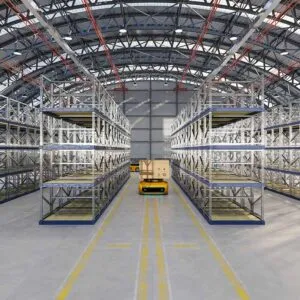
Wide-span designs reduce the need for internal columns.
This maximizes storage space and operational efficiency.
Commercial Buildings
Steel allows flexible architectural designs.
Cost control depends on balancing aesthetics and functionality.
Conclusion
Understanding the steel structure cost requires a comprehensive approach that considers materials, design, fabrication, logistics, and long-term performance.
By leveraging industry standards, real-world data, and advanced engineering strategies, buyers can optimize costs while ensuring quality and reliability.
In an increasingly competitive construction market, making informed decisions about steel structures is not just beneficial—it is essential for achieving sustainable and cost-effective project outcomes.
FAQ
What is the average cost of a steel structure per square meter?
The cost typically ranges from $50 to $150 per square meter depending on design, materials, and location. High-end projects may exceed this range due to advanced requirements.
Why do steel prices fluctuate frequently?
Steel prices are influenced by global demand, raw material costs, energy prices, and geopolitical factors. These variables create ongoing market volatility.
Is a steel structure cheaper than concrete?
Steel structures can be more cost-effective due to faster construction and lower labor costs. However, total cost depends on project specifications and local conditions.
How can I reduce steel structure costs effectively?
You can reduce costs by optimizing design, selecting appropriate materials, and working with experienced manufacturers. Early planning is key to avoiding unnecessary expenses.
Are steel structures a good long-term investment?
Yes, steel structures offer durability, flexibility, and recyclability. Their long-term value often outweighs initial costs, especially for industrial and commercial applications.
Continue reading

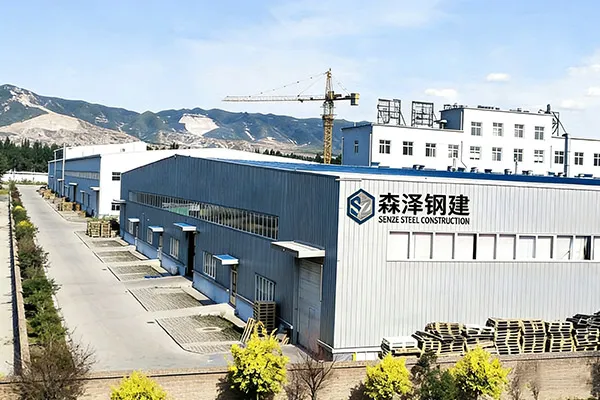
Shanxi Senze Steel Structure Technology Co., Ltd. specializes in integrated steel structure solutions, from design and manufacturing to construction. With advanced technology and strict quality control, we deliver reliable industrial and commercial steel structure projects, earning trust as a leading engineering partner.