Top Grades của thép kết cấu xây dựng
Giải pháp kết cấu thép chuyên nghiệp với dịch vụ toàn cầu
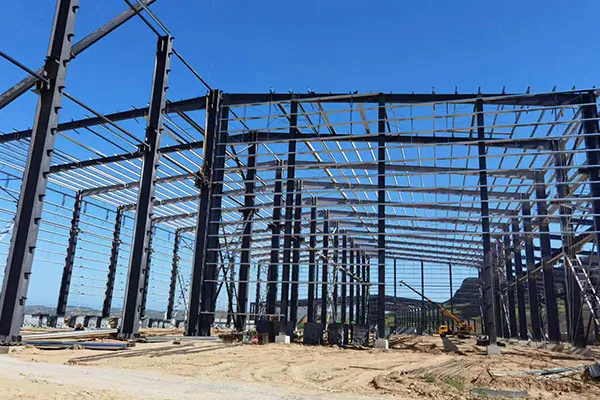
Chào mừng bạn đến với blog của chúng tôi. chúng tôi là một nhà sản xuất chuyên nghiệp chuyên chế tạo thép kết cấu, cung cấp các giải pháp đáng tin cậy cho các tòa nhà công nghiệp, dự án thương mại, và xây dựng mô-đun trên toàn thế giới.
👉 Theo dõi chúng tôi trên Facebook để biết thông tin cập nhật mới nhất và hiểu biết sâu sắc về dự án.
👉 Liên hệ với chúng tôi cho báo giá nhanh và giải pháp thép kết cấu tùy chỉnh.
Hãy theo dõi blog của chúng tôi để biết thêm thông tin chi tiết về ngành và chuyên môn kỹ thuật.
Blog Key Takeaways
- Phân loại sâu các loại thép kết cấu xây dựng được sử dụng trên toàn cầu
- Các đặc tính kỹ thuật bao gồm cường độ chảy, độ dẻo và khả năng chống mỏi
- Các tiêu chuẩn quốc tế (ASTM, EN, ISO) được giải thích trong bối cảnh kỹ thuật thực tế
- Phân tích chi phí vòng đời (LCC) và hiểu biết về tính bền vững
- Nghiên cứu trường hợp xây dựng trong thế giới thực từ cơ sở hạ tầng và tòa nhà chọc trời
- Phân tích thất bại và sai lầm lựa chọn vật liệu để tránh
- Xu hướng thị trường và triển vọng ngành công nghiệp năm 2026 đối với thép kết cấu
- Bảng so sánh kỹ thuật cho các quyết định lựa chọn chuyên nghiệp
Giới thiệu
Các thành phố hiện đại được xây dựng trên các khung thép cường độ vô hình xác định độ an toàn, khả năng mở rộng và tuổi thọ. từ các tòa nhà chọc trời siêu cao đến những cây cầu nhịp dài, thép kết cấu xây dựng là nền tảng của hiệu suất kỹ thuật kết cấu.
Theo báo cáo của Hiệp hội Thép Thế giới 2025, nhu cầu thép toàn cầu cho các ứng dụng xây dựng đã vượt quá 1,25 tỷ tấn, với thép cấp kết cấu chiếm gần 38% tổng lượng sử dụng. Điều này phản ánh vai trò chủ đạo của nó trong phát triển cơ sở hạ tầng trên toàn thế giới.
Việc lựa chọn loại thép không còn chỉ là quyết định chi phí. Đây là một vấn đề tối ưu hóa kỹ thuật liên quan đến độ bền, độ bền, khả năng tiếp xúc với môi trường và tính kinh tế trong vòng đời.
Phân loại kỹ thuật của thép kết cấu xây dựng
Hệ thống thép kết cấu dựa trên carbon
Thép carbon vẫn là vật liệu cơ bản trong kỹ thuật kết cấu do tính chất cơ học có thể dự đoán được và hiệu quả chi phí.
Phạm vi thành phần kỹ thuật
- Hàm lượng carbon: 0.15% – 0.60%
- Mangan: 0.5% – 1.6%
- Lưu huỳnh/Phốt pho: kiểm soát dưới 0,05%
Tính chất cơ học
- Sức mạnh năng suất: 235–250 MPa (tiêu chuẩn ASTM A36)
- Độ bền kéo: 400–550 MPa
- Độ giãn dài: 20–23%
Kỹ thuật Insight
Thép carbon hoạt động tốt nhất dưới tải trọng tĩnh nơi biến dạng là tối thiểu.Tuy nhiên, bảo vệ chống ăn mòn (sơn, mạ kẽm) là bắt buộc trong môi trường ngoài trời.
Thép kết cấu hợp kim thấp cường độ cao (HSLA)
Thép HSLA được coi là tiêu chuẩn hiện đại cho hiệu quả kết cấu tối ưu.
Ưu điểm cơ học
- Sức mạnh năng suất: 345–700 MPa
- Giảm trọng lượng: lên đến 20–25% so với thép cacbon
- Cải thiện khả năng chống mỏi dưới tải trọng tuần hoàn
Ứng dụng công nghiệp
- Cầu nhịp dài
- Các tòa nhà cao tầng
- Nền tảng ngoài khơi
- Kết cấu công nghiệp tải nặng
Kỹ thuật Insight
Thép HSLA đạt được độ bền thông qua các nguyên tố hợp kim vi mô như vanadi, niobi và titan, giúp tinh chỉnh cấu trúc hạt mà không làm tăng trọng lượng đáng kể.
Hệ thống thép kết cấu không gỉ
Thép không gỉ được sử dụng khi khả năng chống ăn mòn trở thành hạn chế thiết kế chủ yếu.
Thành phần hóa học
- Crom: 10,5% – 30%
- Niken: 0% – 20%
- Molypden: tăng cường khả năng kháng clorua
Phạm vi cơ học
- Độ bền kéo: 500–800 MPa
- Sức mạnh năng suất: 200–350 MPa
Kỹ thuật Insight
Không giống như thép carbon, thép không gỉ không dựa vào lớp phủ.Nó tạo thành một lớp oxit thụ động tự sửa chữa khi tiếp xúc với oxy.
Thép phong hóa (Hệ thống loại Corten)
Thép phong hóa phát triển một lớp oxit bảo vệ ngăn ngừa sự ăn mòn thêm.
- Giảm tốc độ ăn mòn: 60–80% so với thép cacbon
- Kéo dài vòng đời: 25–40 năm không sơn lại
- Thường gặp ở cầu và tác phẩm điêu khắc ngoài trời
Tiêu chuẩn quản lý thép kết cấu xây dựng
Tiêu chuẩn ASTM (Hoa Kỳ)
- ASTM A36 – Thép kết cấu chung
- ASTM A992 – Thép cho dầm mặt bích rộng
- ASTM A572 – Thép kết cấu hợp kim thấp cường độ cao
Tiêu chuẩn EN Châu Âu
- EN 10025-2 – Thép kết cấu cán nóng
- Lớp S235 /S275 /S355 – Các lớp cường độ năng suất được xác định
Tiêu chuẩn toàn cầu ISO
- ISO 630 – Phân loại kết cấu thép
- ISO 4948 – Phân loại thành phần hóa học
Tầm quan trọng của kỹ thuật
Tiêu chuẩn đảm bảo:
- Hiệu suất cấu trúc có thể dự đoán được
- Khả năng trao đổi giữa các chuỗi cung ứng toàn cầu
- Tuân thủ các quy định an toàn ở vùng địa chấn và gió
Hành vi cơ học của thép kết cấu xây dựng
Mô hình kỹ thuật ứng suất-biến dạng
Hành vi kết cấu thép được định nghĩa bởi:
- Vùng đàn hồi (hành vi của Hooke's Law)
- Điểm năng suất (biến dạng vĩnh viễn bắt đầu)
- Vùng cứng biến dạng
- Điểm gãy
σ=E⋅ε
Phương trình cơ bản này xác định biến dạng đàn hồi trong thiết kế thép.
Khả năng chống mỏi trong hệ thống kết cấu
Thất bại mệt mỏi là rất quan trọng trong cầu và các cấu trúc động.
- Dung sai tải theo chu kỳ: lên tới 106 -107 chu kỳ (thép HSLA)
- Khả năng chống nứt bắt đầu được cải thiện thông qua quá trình tinh chế hạt
- Chất lượng mối hàn là yếu tố thất bại quan trọng nhất
Độ dẻo và hiệu suất địa chấn
Ở những vùng dễ xảy ra động đất, độ dẻo quan trọng hơn độ bền tối đa.
- Độ dẻo cao cho phép tiêu tán năng lượng
- Ngăn ngừa gãy giòn dưới tải trọng đột ngột
- Cần thiết ở Nhật Bản, California và Đông Nam Á xây dựng mã
Xây dựng Kết cấu thép So sánh Matrix
| Loại Thép | Sức mạnh năng suất (MPa) | Chống ăn mòn | Mức chi phí | Trường hợp sử dụng tốt nhất |
|---|---|---|---|---|
| Thép Carbon (A36) | 250 | Thấp | Thấp | Cấu trúc dân cư & chung |
| Thép HSLA (A572) | 345–550 | Trung bình | Trung bình | Cầu, tháp |
| Thép không gỉ 304 | 215–350 | Rất Cao | Cao | Duyên hải & kiến trúc |
| Thép thời tiết | 345 | Cao | Trung bình | Cầu, công trình ngoài trời |
Phân tích chi phí vòng đời (LCC) của thép kết cấu xây dựng
Mô hình thành phần chi phí
Chi phí vòng đời bao gồm:
- Chi phí mua sắm ban đầu
- Chi phí chế tạo và hàn
- Chu trình bảo trì và sơn lại
- Hệ thống bảo vệ chống ăn mòn
- Rủi ro thay thế kết cấu
Mô phỏng cơ sở hạ tầng 20 năm (Dữ liệu giấy trắng)
Dựa trên các mô hình vòng đời kỹ thuật:
| Loại Vật liệu | Chỉ số chi phí ban đầu | Chi phí bảo trì | Tổng chi phí 20 năm |
|---|---|---|---|
| Thép Carbon | 100 | Cao | 100 |
| Thép HSLA | 115 | Trung bình | 82 |
| Thép không gỉ | 160 | Rất Thấp | 75 |
| Thép thời tiết | 130 | Thấp | 78 |
Kết luận: Thép kết cấu xây dựng cao cấp hơn giúp giảm chi phí vòng đời dài hạn xuống 20–30%.
Nghiên cứu trường hợp kỹ thuật thực tế
Nghiên cứu điển hình 1: Tòa nhà chọc trời (Dự án cao tầng Dubai)
- Vật chất: Thép ASTM A992 HSLA
- Chiều cao: 280 + mét
- Kết quả: Giảm 18% trọng lượng cấu trúc
- Lợi ích: Tăng diện tích sàn sử dụng
Nghiên cứu điển hình 2: Cơ sở hạ tầng cầu châu Âu
- Vật chất: Thép thời tiết S355
- Khoảng cách: 420 mét
- Giảm bảo trì: 45% trên 15 năm
Nghiên cứu điển hình 3: Nhà máy công nghiệp ven biển
- Vật chất: Thép không gỉ 316
- Môi trường: Tiếp xúc với độ mặn cao
- Kết quả: Không ăn mòn thất bại sau 10 năm
Sản xuất và chế biến Thép Kết cấu Xây dựng
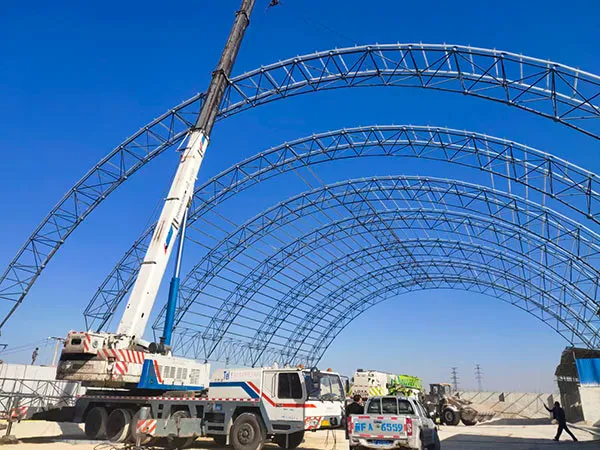
Sản xuất thép kết cấu xây dựng là một quá trình kỹ thuật cao đảm bảo độ tin cậy cơ học, độ chính xác kích thước và độ bền lâu dài cho các dự án cơ sở hạ tầng phức tạp.Mỗi giai đoạn sản xuất đóng một vai trò quan trọng trong việc xác định các đặc tính hiệu suất cuối cùng.
Giai đoạn sản xuất thép
1. lò Blast Smelting
Quặng sắt, than cốc, và đá vôi được nấu chảy ở nhiệt độ vượt quá 1.600 °C. Sắt nóng chảy thu được được kiểm soát cẩn thận về hàm lượng carbon và tạp chất. lò cao hiện đại kết hợp các cảm biến tự động để duy trì thành phần hóa học phù hợp, rất quan trọng đối với thép kết cấu dành cho các tòa nhà cao tầng và cầu.
2. cơ bản Oxygen Lò tinh chế (BOF)
Sắt nóng chảy được tinh chế bằng cách phun oxy, làm giảm hàm lượng carbon và loại bỏ các tạp chất lưu huỳnh và phốt pho.Bước này cho phép sản xuất thép carbon, thép HSLA và thép hợp kim đặc biệt với dung sai hóa học chặt chẽ.Các nhà máy BOF đang ngày càng tích hợp các máy phân tích hóa học thời gian thực để đáp ứng các tiêu chuẩn ASTM và EN.
3. đúc liên tục
Thép nóng chảy được đúc thành phôi, nở hoa, hoặc tấm thông qua máy đúc liên tục. phương pháp này giảm thiểu các khuyết tật như phân tách và độ xốp. tốc độ làm mát chính xác được áp dụng để kiểm soát vi cấu trúc, đảm bảo tính chất cơ học đồng đều trên chiều dài dài của thép kết cấu.
4. cán nóng và lạnh kết thúc
- Cán nóng: Tấm được cuộn thành dầm chữ I, kênh và tấm ở nhiệt độ trên điểm kết tinh lại, tăng cường độ dẻo và giảm ứng suất bên trong.
- Hoàn thiện nguội: Các quy trình như cán nguội, kéo giãn và làm thẳng cải thiện độ chính xác về kích thước, độ hoàn thiện bề mặt và độ bền cơ học cho các ứng dụng trong kỹ thuật chính xác, chẳng hạn như khung thép cao tầng.
Quy trình xử lý nhiệt
Bình thường hóa
Làm nóng thép trên nhiệt độ tới hạn và sau đó làm mát không khí tinh chỉnh kích thước hạt, cải thiện độ dẻo dai và tính đồng nhất trên các thành phần cấu trúc.
Dập tắt
Làm mát nhanh trong nước hoặc dầu làm tăng độ cứng và sức mạnh năng suất.Nó thường được áp dụng cho thép HSLA được sử dụng trong cầu, cần cẩu và các cấu trúc ngoài khơi nơi đòi hỏi tỷ lệ cường độ trên trọng lượng cao.
Tôi luyện
Làm nóng lại thép tôi đến nhiệt độ vừa phải làm giảm độ giòn trong khi vẫn giữ được độ cứng, mang lại sự cân bằng tối ưu cho thép kết cấu xây dựng chống động đất.
Tiêu chuẩn kiểm soát chất lượng
Việc đảm bảo độ tin cậy của kết cấu thép xây dựng đòi hỏi các quy trình đảm bảo chất lượng nghiêm ngặt:
- Phát hiện lỗ hổng siêu âm (UT): Xác định các khoảng trống và vết nứt bên trong có thể ảnh hưởng đến khả năng chịu tải.
- Kiểm tra mối hàn tia X (Chụp X quang): Phát hiện độ xốp, tạp chất xỉ và sự xâm nhập không hoàn toàn vào các mối hàn.
- Xác minh thành phần hóa học: Phép đo phổ đảm bảo các nguyên tố hợp kim (C, Mn, V, Nb) nằm trong phạm vi thông số kỹ thuật, rất quan trọng để có hiệu suất cơ học có thể dự đoán được.
Kiểm soát chất lượng nâng cao cũng bao gồm kiểm tra cơ học (kiểm tra độ bền kéo, va đập và mỏi) để xác nhận kết cấu thép trước khi vận chuyển đến công trường.
Phân tích lỗi trong kỹ thuật kết cấu thép
Hiểu được nguyên nhân gốc rễ của sự cố thép là rất quan trọng cho các cấu trúc an toàn và bền.
Các chế độ lỗi phổ biến
- Sự mỏng đi do ăn mòn
- Mối hàn mệt mỏi nứt
- Buckling dưới nén
- Gãy giòn ở nhiệt độ thấp
Nguyên nhân gốc rễ kỹ thuật
- Lựa chọn vật liệu không đúng cách
- Hệ thống lớp phủ kém
- Biên độ thiết kế tải không đầy đủ
- Tính toán sai lầm về phơi nhiễm môi trường
Xu hướng thị trường toàn cầu cho Thép Kết cấu Xây dựng (Triển vọng năm 2026)
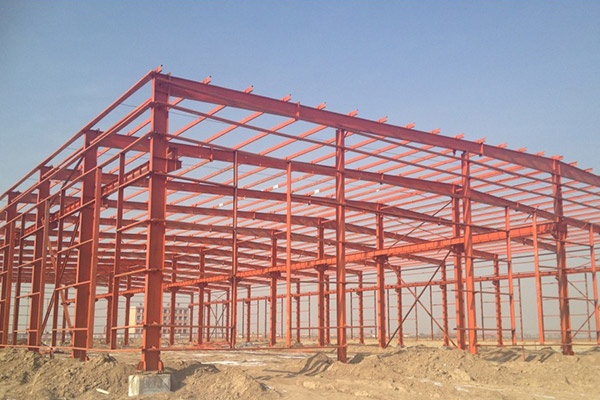
Động lực tăng trưởng thị trường
- Đô thị hóa ở châu Á - Thái Bình Dương
- Mở rộng cơ sở hạ tầng năng lượng tái tạo
- Dự án cầu và đường hầm Mega
Xu hướng Công ngh
- Dự đoán tải trọng cấu trúc dựa trên AI
- Thép thông minh với cảm biến nhúng
- Sản xuất thép carbon thấp (luyện kim dựa trên hydro)
Sự thay đổi bền vững
Theo báo cáo khử cacbon toàn cầu:
- Ngành thép đặt mục tiêu giảm 30% CO2 vào năm 2030
- Sử dụng thép tái chế vượt quá 60% ở các nền kinh tế tiên tiến
Bảng hiểu biết kỹ thuật: Lựa chọn thép cho các ứng dụng khác nhau
| Loại Thép | Sức mạnh năng suất (MPa) | Chống ăn mòn | Vòng đời (Năm) | Ứng dụng điển hình |
|---|---|---|---|---|
| Thép Carbon | 235–250 | Thấp | 30–40 | Tòa nhà dân cư, khung chung |
| Thép HSLA | 345–700 | Trung bình | 50–60 | Cầu, tháp cao tầng |
| Thép không gỉ 316 | 215–350 | Rất Cao | 80+ | Cấu trúc ven biển, nhà máy hóa chất |
| Thép thời tiết | 345 | Cao | 50 | Cầu, lắp đặt ngoài trời |
Bảng này giúp các kỹ sư nhanh chóng đánh giá sự cân bằng giữa độ bền, khả năng chống ăn mòn và chi phí vòng đời đối với các dự án kết cấu khác nhau.
Khung lựa chọn kỹ thuật cho thép kết cấu xây dựng
Bước 1: Phân loại tải
- Tải trọng tĩnh → Thép carbon
- Tải trọng động → thép HSLA
- Môi trường ăn mòn → Thép không g
Bước 2: Đánh giá môi trường
- Ven biển /biển → Thép không g
- Xây dựng nội địa → Carbon hoặc HSLA
- Khu công nghiệp → Thép phong hóa
Bước 3: Tối ưu hóa vòng đời
- Dự án ngắn hạn → Thép carbon
- Cơ sở hạ tầng dài hạn → HSLA hoặc không g
Kết luận
Thép kết cấu xây dựng không phải là một lựa chọn vật liệu duy nhất mà là một hệ thống kỹ thuật hoàn chỉnh liên quan đến tối ưu hóa sức mạnh, thích ứng với môi trường và kinh tế vòng đời.
Xu hướng kỹ thuật hiện đại cho thấy sự chuyển dịch rõ ràng về phía:
- Hệ thống HSLA hiệu suất cao
- Giải pháp không gỉ chống ăn mòn
- Tối ưu hóa cấu trúc dựa trên dữ liệu
Khi độ phức tạp của cơ sở hạ tầng toàn cầu tăng lên, việc lựa chọn vật liệu trong thép xây dựng sẽ tiếp tục phát triển theo hướng các hệ thống kỹ thuật thông minh hơn, nhẹ hơn và bền vững hơn.
Câu hỏi thường gặp
Cái gì mạnh nhất thép kết cấu xây dựng?
Thép HSLA thường mang lại sự cân bằng tốt nhất về độ bền và hiệu suất trọng lượng, đạt cường độ chảy lên tới 700 MPa.
Tại sao thép HSLA được ưa chuộng trong cầu?
Bởi vì nó cung cấp sức mạnh cao với trọng lượng giảm, cải thiện phân phối tải và giảm căng thẳng nền tảng.
Thép không gỉ có cần thiết cho tất cả các cấu trúc
Không, nó chủ yếu được sử dụng trong các ứng dụng ăn mòn hoặc kiến trúc, nơi độ bền và hình thức là rất quan trọng.
Thép kết cấu tồn tại được bao lâu?
Kết cấu thép được bảo vệ đúng cách có thể tồn tại 40–100 năm tùy thuộc vào môi trường và bảo trì.
Rủi ro lớn nhất trong kết cấu thép là gì?
Ăn mòn và nứt mỏi là hai rủi ro hư hỏng cấu trúc phổ biến nhất.
Đọc tiếp

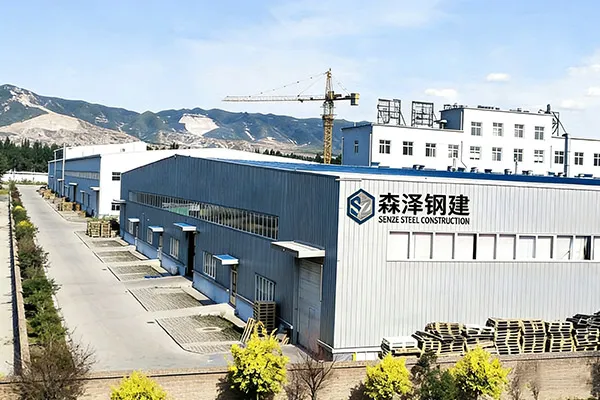
Sơn Tây Senze Kết cấu thép Công nghệ Công ty TNHH. chuyên về các giải pháp kết cấu thép tích hợp, từ thiết kế và sản xuất đến xây dựng.Với công nghệ tiên tiến và kiểm soát chất lượng nghiêm ngặt, chúng tôi cung cấp các dự án kết cấu thép công nghiệp và thương mại đáng tin cậy, kiếm được sự tin tưởng như một đối tác kỹ thuật hàng đầu.