أعلى الدرجات من الصلب الإنشائي البناء
حلول الهياكل الفولاذية الاحترافية مع الخدمة العالمية
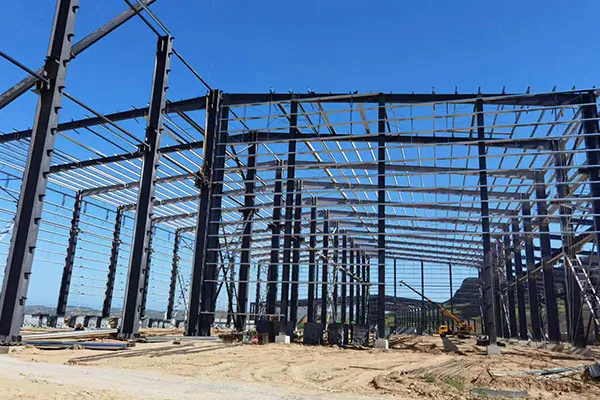
مرحبا بكم في مدونتنا. نحن شركة تصنيع محترفة متخصصة في تصنيع الفولاذ الإنشائي، ونقدم حلولاً موثوقة للمباني الصناعية والمشاريع التجارية والبناء المعياري في جميع أنحاء العالم.
👉 تابعونا على الفيسبوك للحصول على آخر التحديثات ورؤى المشروع.
👉 اتصل بنا للحصول على عروض أسعار سريعة وحلول فولاذية هيكلية مخصصة.
ترقبوا مدونتنا لمزيد من الرؤى الصناعية والخبرة الهندسية.
الوجبات السريعة الرئيسية في المدونة
- التصنيف العميق لدرجات الفولاذ الإنشائي المستخدمة عالميًا
- الخصائص الهندسية بما في ذلك قوة الخضوع والليونة ومقاومة التعب
- المعايير الدولية (ASTM، EN، ISO) موضحة في سياق هندسي حقيقي
- تحليل تكلفة دورة الحياة (LCC) ورؤى الاستدامة
- دراسات حالة البناء في العالم الحقيقي من البنية التحتية وناطحات السحاب
- تحليل الفشل وأخطاء اختيار المواد لتجنبها
- اتجاهات السوق وتوقعات الصناعة لعام 2026 للصلب الهيكلي
- جداول المقارنة الهندسية لقرارات الاختيار المهنية
مقدمة
تم بناء المدن الحديثة على أطر استاتيكية غير مرئية تحدد السلامة وقابلية التوسع وطول العمر. من ناطحات السحاب العالية جدًا إلى الجسور الطويلة, البناء الصلب الهيكلي هو أساس الأداء الهندسي الإنشائي.
وفقًا لتقرير الرابطة العالمية للصلب لعام 2025، تجاوز الطلب العالمي على الصلب لتطبيقات البناء 1.25 مليار طن, ، مع الفولاذ الهيكلي يمثل ما يقرب من 38% من إجمالي الاستخدام. وهذا يعكس دورها المهيمن في تطوير البنية التحتية في جميع أنحاء العالم.
لم يعد اختيار درجة الفولاذ مجرد قرار بشأن التكلفة، بل أصبح مشكلة تحسين هندسية تتضمن القوة والمتانة والتعرض البيئي واقتصاديات دورة الحياة.
التصنيف الهندسي للصلب الإنشائي للبناء
أنظمة الصلب الإنشائية القائمة على الكربون
يظل الفولاذ الكربوني هو المادة الأساسية في الهندسة الإنشائية نظرًا لسلوكه الميكانيكي الذي يمكن التنبؤ به وكفاءة التكلفة.
نطاق التركيب الهندسي
- محتوى الكربون: 0.15%، 0.60%
- المنغنيز: 0.5%، 1.6%
- الكبريت/الفوسفور: يتم التحكم فيه تحت 0.05%
الخواص الميكانيكية
- قوة الخضوع: 235 بوصة، 250 ميجا باسكال (نموذجي ASTM A36)
- قوة الشد: 400.550 ميجا باسكال
- الاستطالة: 20 23%
البصيرة الهندسية
يعمل الفولاذ الكربوني بشكل أفضل في ظل الأحمال الثابتة حيث يكون التشوه في حده الأدنى. ومع ذلك، فإن الحماية من التآكل (الطلاء والجلفنة) إلزامية في البيئات الخارجية.
الفولاذ الهيكلي عالي القوة ومنخفض السبائك (HSLA)
يعتبر فولاذ HSLA على نطاق واسع المعيار الحديث لتحسين الكفاءة الهيكلية.
المزايا الميكانيكية
- قوة الخضوع: 345.700 ميجا باسكال
- تخفيض الوزن: ما يصل إلى 20 بوصة 25% مقارنة بالفولاذ الكربوني
- تحسين مقاومة التعب تحت التحميل الدوري
التطبيقات الصناعية
- الجسور الطويلة
- المباني الشاهقة
- المنصات البحرية
- الهياكل الصناعية ذات الأحمال الثقيلة
البصيرة الهندسية
يحقق فولاذ HSLA القوة من خلال عناصر السبائك الدقيقة مثل الفاناديوم والنيوبيوم والتيتانيوم، والتي تعمل على تحسين بنية الحبوب دون زيادة الوزن بشكل ملحوظ.
أنظمة الفولاذ الإنشائي غير القابل للصدأ
يتم استخدام الفولاذ المقاوم للصدأ عندما تصبح مقاومة التآكل هي القيد السائد في التصميم.
التركيب الكيميائي
- الكروم: 10.5%، 30%
- النيكل: 0% 20%
- الموليبدينوم: يعزز مقاومة الكلوريد
النطاق الميكانيكي
- قوة الشد: 500.800 ميجا باسكال
- قوة الخضوع: 200.350 ميجا باسكال
البصيرة الهندسية
على عكس الفولاذ الكربوني، لا يعتمد الفولاذ المقاوم للصدأ على الطلاءات. إنها تشكل طبقة أكسيد سلبية يتم إصلاحها ذاتيًا عند التعرض للأكسجين.
التجوية الفولاذية (أنظمة من نوع كورتن)
يطور الفولاذ المقاوم للعوامل الجوية طبقة أكسيد واقية تمنع المزيد من التآكل.
- تخفيض معدل التآكل: 60.80% مقارنة بالفولاذ الكربوني
- تمديد دورة الحياة: 25.40 سنة بدون إعادة طلاء
- شائع في الجسور والمنحوتات الخارجية
المعايير التي تحكم البناء الصلب الإنشائي
معايير ASTM (الولايات المتحدة)
- أستم A36 5 الصلب الهيكلي العام
- أستم A992 aprise للعوارض ذات الحافة العريضة
- أستم A572 arge فولاذ هيكلي عالي القوة ومنخفض السبائك
معايير EN الأوروبية
- إن 10025-2 art الفولاذ الهيكلي المدرفل على الساخن
- درجات S235/S275/S355 5 فئات قوة الخضوع المحددة
معايير الأيزو العالمية
- ايزو 630 5 تصنيف الفولاذ الإنشائي
- ايزو 4948 q art تصنيف التركيب الكيميائي
الأهمية الهندسية
تضمن المعايير:
- الأداء الهيكلي المتوقع
- قابلية التبادل عبر سلاسل التوريد العالمية
- الامتثال لقوانين السلامة في مناطق الزلازل والرياح
السلوك الميكانيكي للصلب الإنشائي للبناء
نموذج هندسة الإجهاد والانفعال
يتم تعريف سلوك الفولاذ الهيكلي بواسطة:
- المنطقة المرنة (سلوك قانون هوك)
- نقطة الخضوع (يبدأ التشوه الدائم)
- سلالة منطقة تصلب
- نقطة الكسر
¹=EOG
تحدد هذه المعادلة الأساسية التشوه المرن في تصميم الفولاذ.
مقاومة التعب في الأنظمة الهيكلية
يعد فشل التعب أمرًا بالغ الأهمية في الجسور والهياكل الديناميكية.
- تحمل الحمل الدوري: ما يصل إلى 106 دورة 107 دورة (فولاذ HSLA)
- تم تحسين مقاومة بدء الشقوق من خلال صقل الحبوب
- جودة اللحام هي عامل الفشل الأكثر أهمية
الليونة والأداء الزلزالي
في المناطق المعرضة للزلازل، تكون الليونة أكثر أهمية من القوة النهائية.
- ليونة عالية تسمح بتبديد الطاقة
- يمنع الكسر الهش تحت الأحمال المفاجئة
- تعتبر قوانين البناء ضرورية في اليابان وكاليفورنيا وجنوب شرق آسيا
مصفوفة مقارنة الصلب الإنشائي للبناء
| نوع الصلب | قوة العائد (MPa) | مقاومة التآكل | مستوى التكلفة | أفضل حالة استخدام |
|---|---|---|---|---|
| الصلب الكربوني (A36) | 250 | منخفض | منخفض | المباني السكنية والعامة |
| HSLA ستيل (A572) | 345–550 | متوسط | متوسط | الجسور والأبراج |
| الفولاذ المقاوم للصدأ 304 | 215–350 | عالي جدا | عالي | الساحلية والمعمارية |
| التجوية الصلب | 345 | عالي | متوسط | الجسور والهياكل الخارجية |
تحليل تكلفة دورة الحياة (LCC) للصلب الإنشائي للبناء
نموذج مكونات التكلفة
تشمل تكلفة دورة الحياة ما يلي:
- تكلفة الشراء الأولية
- تكلفة التصنيع واللحام
- دورات الصيانة وإعادة الطلاء
- أنظمة الحماية من التآكل
- مخاطر الاستبدال الهيكلي
محاكاة البنية التحتية لمدة 20 عامًا (بيانات الكتاب الأبيض)
بناءً على نماذج دورة الحياة الهندسية:
| نوع المادة | مؤشر التكلفة الأولية | تكلفة الصيانة | التكلفة الإجمالية لمدة 20 عامًا |
|---|---|---|---|
| الصلب الكربوني | 100 | عالي | 100 |
| HSLA الصلب | 115 | متوسط | 82 |
| الفولاذ المقاوم للصدأ | 160 | منخفض جدا | 75 |
| التجوية الصلب | 130 | منخفض | 78 |
خاتمة: يقلل الفولاذ الهيكلي عالي الجودة من تكلفة دورة الحياة طويلة المدى بمقدار 20 درجة 30%.
دراسات الحالة الهندسية الحقيقية
دراسة الحالة 1: ناطحة سحاب (مشروع دبي الشاهق)
- المواد: فولاذ ASTM A992 HSLA
- الارتفاع: 280+ متر
- النتيجة: انخفاض 18% في الوزن الهيكلي
- الفائدة: زيادة المساحة الأرضية القابلة للاستخدام
دراسة الحالة 2: البنية التحتية للجسر الأوروبي
- المواد: فولاذ التجوية S355
- المدى: 420 متر
- تخفيض الصيانة: 45% على مدى 15 عامًا
دراسة الحالة 3: المصنع الصناعي الساحلي
- المواد: 316 ستانلس ستيل
- البيئة: التعرض للملوحة العالية
- النتيجة: عدم فشل التآكل بعد 10 سنوات
تصنيع ومعالجة البناء الصلب الإنشائي
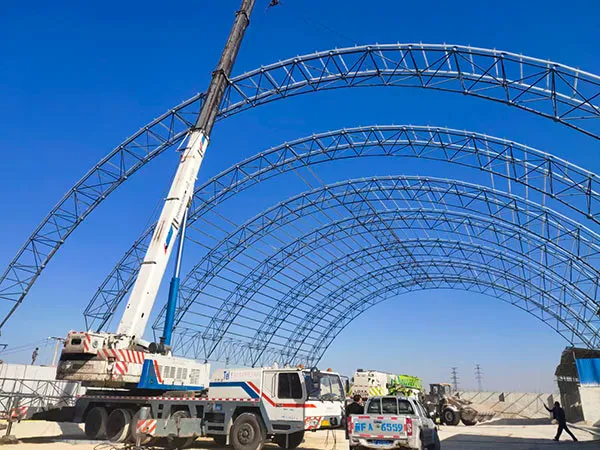
يعد إنتاج الفولاذ الهيكلي للبناء عملية هندسية للغاية تضمن الموثوقية الميكانيكية ودقة الأبعاد والمتانة طويلة المدى لمشاريع البنية التحتية المعقدة. تلعب كل مرحلة من مراحل التصنيع دورًا حاسمًا في تحديد خصائص الأداء النهائية.
مراحل إنتاج الصلب
1. صهر الفرن العالي
يتم صهر خام الحديد وفحم الكوك والحجر الجيري عند درجات حرارة تتجاوز 1600° مئوية. ويتم التحكم بعناية في الحديد المنصهر الناتج فيما يتعلق بمحتوى الكربون والشوائب. تشتمل الأفران العالية الحديثة على أجهزة استشعار آلية للحفاظ على التركيب الكيميائي المتسق، وهو أمر بالغ الأهمية للصلب الهيكلي المخصص للمباني والجسور الشاهقة.
2. تحسين فرن الأكسجين الأساسي (BOF)
يتم تكرير الحديد المنصهر باستخدام حقن الأكسجين، مما يقلل محتوى الكربون ويزيل شوائب الكبريت والفوسفور. تسمح هذه الخطوة بإنتاج الفولاذ الكربوني، وفولاذ HSLA، وسبائك الفولاذ المتخصصة ذات التحمل الكيميائي الضيق. تعمل مصانع BOF بشكل متزايد على دمج المحللات الكيميائية في الوقت الفعلي لتلبية معايير ASTM وEN.
3. الصب المستمر
يتم صب الفولاذ المنصهر في قضبان أو أزهار أو ألواح من خلال آلات الصب المستمر. تقلل هذه الطريقة من العيوب مثل الفصل والمسامية. يتم تطبيق معدلات التبريد الدقيقة للتحكم في البنية المجهرية، مما يضمن خواص ميكانيكية موحدة عبر الأطوال الطويلة للفولاذ الهيكلي.
4. الدرفلة على الساخن والتشطيب البارد
- المتداول الساخن: يتم دحرجة الألواح إلى عوارض وقنوات وألواح عند درجات حرارة أعلى من نقاط إعادة البلورة، مما يعزز الليونة ويخفف الضغوط الداخلية.
- التشطيب البارد: تعمل عمليات مثل الدرفلة على البارد والتمدد والتقويم على تحسين دقة الأبعاد وتشطيب السطح والقوة الميكانيكية للتطبيقات في الهندسة الدقيقة، مثل الإطارات الفولاذية الشاهقة.
عمليات المعالجة الحرارية
تطبيع
يؤدي تسخين الفولاذ فوق درجة الحرارة الحرجة ثم تبريد الهواء إلى تحسين حجم الحبوب، مما يحسن المتانة والتجانس عبر المكونات الهيكلية.
التبريد
التبريد السريع في الماء أو الزيت يزيد من الصلابة وقوة الخضوع. يتم تطبيقه بشكل شائع على فولاذ HSLA المستخدم في الجسور والرافعات والهياكل البحرية حيث تكون نسبة القوة إلى الوزن عالية مطلوبة.
هدأ
تؤدي إعادة تسخين الفولاذ المروي إلى درجة حرارة معتدلة إلى تقليل الهشاشة مع الحفاظ على الصلابة، مما يوفر التوازن الأمثل للفولاذ الهيكلي المقاوم للزلازل.
معايير مراقبة الجودة
يتطلب ضمان موثوقية الفولاذ الهيكلي للبناء إجراءات صارمة لضمان الجودة
- الكشف عن العيوب بالموجات فوق الصوتية (UT): يحدد الفراغات والشقوق الداخلية التي قد تؤثر على قدرة التحمل.
- فحص اللحام بالأشعة السينية (التصوير الشعاعي): يكتشف المسامية، وشوائب الخبث، والاختراق غير الكامل في الوصلات الملحومة.
- التحقق من التركيب الكيميائي: يضمن قياس الطيف أن عناصر صناعة السبائك (C، Mn، V، Nb) تقع ضمن نطاقات المواصفات، وهي ضرورية للأداء الميكانيكي الذي يمكن التنبؤ به.
وتشمل مراقبة الجودة المتقدمة أيضًا الاختبارات الميكانيكية (اختبارات الشد والتأثير والتعب) للتحقق من صحة الفولاذ الهيكلي قبل شحنه إلى مواقع البناء.
تحليل الفشل في هندسة الصلب الإنشائية
يعد فهم الأسباب الجذرية لفشل الفولاذ أمرًا حيويًا للهياكل الآمنة والمتينة.
أوضاع الفشل الشائعة
- التخفيف الناجم عن التآكل
- تكسير تعب اللحام
- التواء تحت الضغط
- كسر هش في درجات حرارة منخفضة
الأسباب الجذرية الهندسية
- اختيار المواد بشكل غير صحيح
- أنظمة طلاء سيئة
- هوامش تصميم الحمل غير كافية
- سوء تقدير التعرض البيئي
اتجاهات السوق العالمية ل البناء الصلب الإنشائي (توقعات 2026)
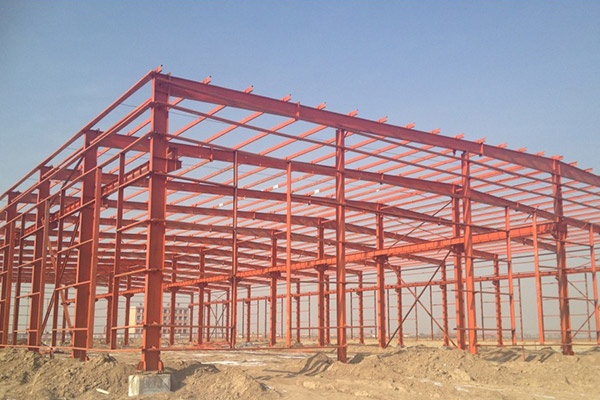
محركات نمو السوق
- التحضر في منطقة آسيا والمحيط الهادئ
- توسيع البنية التحتية للطاقة المتجددة
- مشاريع الجسور والأنفاق الضخمة
اتجاهات التكنولوجيا
- التنبؤ بالحمل الهيكلي القائم على الذكاء الاصطناعي
- فولاذ ذكي مزود بأجهزة استشعار مدمجة
- إنتاج الصلب منخفض الكربون (المعادن القائمة على الهيدروجين)
تحول الاستدامة
وفقا لتقارير إزالة الكربون العالمية:
- تهدف صناعة الصلب إلى خفض ثاني أكسيد الكربون بمقدار 30% بحلول عام 2030
- يتجاوز استخدام الفولاذ المعاد تدويره 60% في الاقتصادات المتقدمة
جدول البصيرة الهندسية: اختيار الفولاذ لتطبيقات مختلفة
| نوع الصلب | قوة العائد (MPa) | مقاومة التآكل | دورة الحياة (سنوات) | تطبيق نموذجي |
|---|---|---|---|---|
| الصلب الكربوني | 235–250 | منخفض | 30–40 | المباني السكنية، الإطارات العامة |
| HSLA الصلب | 345–700 | متوسط | 50–60 | الجسور والأبراج الشاهقة |
| الفولاذ المقاوم للصدأ 316 | 215–350 | عالي جدا | 80+ | الهياكل الساحلية والمصانع الكيماوية |
| التجوية الصلب | 345 | عالي | 50 | الجسور والمنشآت الخارجية |
يساعد هذا الجدول المهندسين على التقييم بسرعة المفاضلات بين القوة ومقاومة التآكل وتكلفة دورة الحياة لمشاريع هيكلية مختلفة.
إطار الاختيار الهندسي للصلب الإنشائي للبناء
الخطوة 1: تصنيف التحميل
- الحمل الثابت → الفولاذ الكربوني
- الحمل الديناميكي → فولاذ HSLA
- بيئة تآكل → الفولاذ المقاوم للصدأ
الخطوة 2: التقييم البيئي
- ساحلي / بحري → ستانلس ستيل
- البناء الداخلي → الكربون أو HSLA
- المناطق الصناعية → الصلب التجوية
الخطوة 3: تحسين دورة الحياة
- مشاريع قصيرة المدى → الصلب الكربوني
- البنية التحتية طويلة المدى → HSLA أو غير قابل للصدأ
خاتمة
البناء الصلب الهيكلي ليس خيارًا ماديًا واحدًا ولكنه نظام هندسي كامل يتضمن تحسين القوة والتكيف البيئي واقتصاديات دورة الحياة.
تظهر الاتجاهات الهندسية الحديثة تحولا واضحا نحو:
- أنظمة HSLA عالية الأداء
- حلول مقاومة للتآكل غير قابلة للصدأ
- التحسين الهيكلي القائم على البيانات
مع زيادة تعقيد البنية التحتية العالمية، سيستمر اختيار المواد في فولاذ البناء في التطور نحو أنظمة هندسية أكثر ذكاءً وأخف وزنًا وأكثر استدامة.
الأسئلة الشائعة
ما هو الأقوى البناء الصلب الهيكلي?
يوفر فولاذ HSLA عمومًا أفضل توازن بين القوة وكفاءة الوزن، حيث يصل إلى قوة خضوع تصل إلى 700 ميجا باسكال.
لماذا يفضل فولاذ HSLA في الجسور؟
لأنه يوفر قوة عالية مع انخفاض الوزن، مما يحسن توزيع الحمل ويقلل من إجهاد الأساس.
هل الفولاذ المقاوم للصدأ ضروري لجميع الهياكل؟
لا، يتم استخدامه بشكل أساسي في التطبيقات المسببة للتآكل أو التطبيقات المعمارية حيث تكون المتانة والمظهر أمرًا بالغ الأهمية.
كم من الوقت يستمر الفولاذ الهيكلي؟
يمكن أن تستمر الهياكل الفولاذية المحمية بشكل صحيح لمدة 40 إلى 100 عام اعتمادًا على البيئة والصيانة.
ما هو الخطر الأكبر في الهياكل الفولاذية؟
يعد التآكل والتشقق الناتج عن التعب من أكثر مخاطر الفشل الهيكلي شيوعًا.
أكمل القراءة
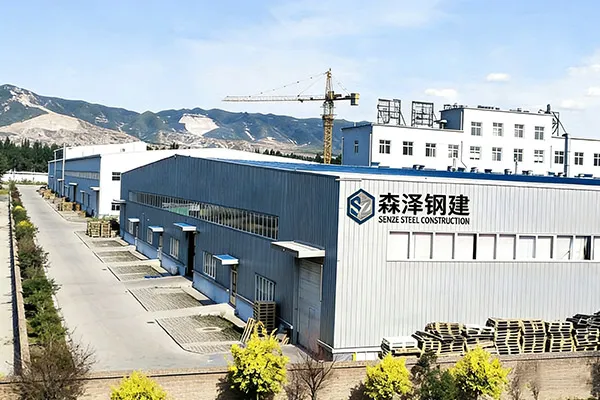
شركة شانشي Senze لتكنولوجيا الهياكل الفولاذية المحدودة. متخصصون في حلول الهياكل الفولاذية المتكاملة، بدءًا من التصميم والتصنيع وحتى البناء. بفضل التكنولوجيا المتقدمة ومراقبة الجودة الصارمة، نقدم مشاريع هياكل فولاذية صناعية وتجارية موثوقة، ونكسب الثقة كشريك هندسي رائد.